
Israel and Palestine are fighting due to long-standing territorial disputes and historical conflicts over sovereignty. The clash stems from both Jewish and Palestinian nationalism.
The enduring conflict between Israel and Palestine is rooted in claims to land, identity, and history. The struggle reflects competing national aspirations, with Jewish yearning for a homeland in the region dating back to biblical times and Palestinian desire for self-determination after decades of living under varying degrees of foreign control.
Since the establishment of Israel in 1948, wars, uprisings, and continuous tensions have highlighted the deep divisions and unresolved issues between the two. The fierce contention over Jerusalem, a city sacred to both Jews and Muslims, adds a significant religious dimension to the political strife. Resolving this conflict demands addressing the delicate balances of power, religion, and international interests in a region often seen as the crossroads of Middle Eastern politics and diplomacy. With each attempt at peace, the complexities of the Israel-Palestine struggle remind the world of its intricate causes and profound human impact.
Understanding The Historical Roots
Delving into the historical roots of the complex and enduring conflict between Israel and Palestine is imperative for anyone attempting to grasp the essence of the Middle Eastern strife. This land, rich in history and significance for several civilizations and religions, has witnessed a plethora of transformative events that have shaped its current landscape. Through an exploration of ancient ties and colonial influences, we can begin to unfold the layers of history that have contributed to the existing tensions. To understand why Israel and Palestine are fighting, we must take a step back into the storied past of this region.
Ancient History Of The Region
The cradle of civilizations, the land commonly referred to as the Holy Land, holds a historical and spiritual significance for Jews, Christians, and Muslims alike. Jewish ties to the region date back to Biblical times, with the formation of the ancient Kingdom of Israel and later, the Kingdom of Judah. These kingdoms were characterized by periods of sovereignty and conquest, including the monumental building of the First and Second Temples in Jerusalem.
Parallel to the Jewish history, the area also saw the emergence of Christian and Islamic presences. The life and crucifixion of Jesus Christ introduced an enduring Christian connection, whereas the advent of Islam in the 7th century solidified the region's role as an Islamic holy site, particularly with the founding of the caliphates and the construction of significant structures like the Al-Aqsa Mosque.
Influence Of Colonialism
The modern contours of the Israel-Palestine conflict cannot be outlined without mentioning the decisive role of colonial powers. In the late 19th and early 20th centuries, the waning Ottoman Empire's rule over the region started to give way to the ascendant British Empire. Balancing historical promises to the Jewish people, such as the Balfour Declaration, with the aspirations of the Arab population led to a complex mandate system and an increase in Jewish immigration, igniting further contention.
Post-World War I, the British Mandate for Palestine articulated the ultimate objective of establishing a "national home for the Jewish people," while also ensuring that "nothing shall be done which may prejudice the civil and religious rights of existing non-Jewish communities in Palestine." It was this intricate interplay of foreign governance and demographic changes that fermented an atmosphere ripe for conflict, setting the stage for the subsequent Israeli Independence and the Arab-Israeli wars that followed.
Complexities Of Religious And Cultural Identities
The longstanding conflict between Israel and Palestine is deeply rooted in the complex tapestry of religious and cultural identities that define the region. At its heart, this is not merely a dispute over land but a profound struggle over historical legacies and spiritual connections woven through centuries of human history. Religious sentiments and cultural beliefs play an indelible role in shaping the perspectives and motivations of those involved, making the path to resolution challenging. Understanding the impact of these religious and cultural identities is crucial to grasp the full scope of this enduring conflict.
Impact Of Judaism In Israel
Israel's national identity is intricately linked to Judaism, not only as a religion but as a cultural and historical cornerstone. For Jews around the world, Israel represents not just a homeland but a sacred place integral to their religious narrative. Judaism's holiest sites, such as the Western Wall and the Temple Mount, are located here, further underscoring its religious significance. This connection deeply influences the country's policies and its peoples' resolve to maintain sovereignty over what they consider their ancestral and spiritual home.
Significance Of Islam In Palestine
The significance of Islam in Palestine cannot be understated. For Palestinians, Islamic heritage is woven into the very fabric of their cultural and national identity. Jerusalem, or Al-Quds, is home to the Al-Aqsa Mosque, which holds profound spiritual importance for Muslims worldwide as the third holiest site in Islam. This religious connection is a powerful force that shapes the Palestinian narrative and underscores the passionate attachment to the land, framing it as a matter of religious significance and cultural pride.
In summary, religion and culture are not just background elements in the Israeli-Palestinian conflict; they are central pillars that sustain and intensify the push for claims and counterclaims. It becomes clear that any potential solutions must not only address physical and political concerns but must also be sensitive to the profound religious and cultural bonds that both communities hold so dearly.
Disputes Over Land And Territories
The epicenter of the enduring conflict between Israel and Palestine is the unrelenting dispute over land and territories. The region's historical, religious, and political landscapes have contributed to complex claims on both sides. Israeli and Palestinian narratives diverge significantly, making consensus challenging. The contention involves the struggle for control over the land, questions of national sovereignty, and a yearning for recognition and security.
The Role Of Borders And Settlements
Borders have been a cornerstone in the ongoing Israel-Palestine conflict. The boundaries delineated by the 1949 Armistice Agreements—known as the Green Line—represented only a ceasefire line and not permanent borders, thereby leaving the door open for future disputes. The subsequent occupation of territories during the 1967 Six-Day War, such as the West Bank and Gaza Strip, further complicated matters as Israeli settlements began to emerge in these areas.
- Creation of Israeli settlements in areas intended for Palestinian statehood has raised international concerns.
- The security barrier, partially built by Israel, extends into the West Bank and has been a source of contention, seen by Palestinians as a land grab.
- International law remains a critical point of reference, but its interpretation and application are hotly debated between the parties.
Contentions On Jerusalem And Holy Sites
The city of Jerusalem holds profound significance for Jews, Christians, and Muslims. Both Israelis and Palestinians claim Jerusalem as their capital, which fuels an intense rivalry over sovereignty. The status of Jerusalem is arguably the thorniest issue in Israeli-Palestinian relations. Within Jerusalem, holy sites such as the Temple Mount/Haram al-Sharif serve as powerful symbols for both communities and have often been flashpoints for violence.
- Israel's annexation of East Jerusalem following the 1967 war is not recognized internationally, and Palestinians envision it as the capital of a future Palestinian state.
- The access and administration of holy sites remain contentious, with both sides yearning for control to ensure religious freedoms and historical claims.
- International efforts to broker solutions over Jerusalem have repeatedly stalled, reflecting the city's complex interweaving of political and religious interests.
As the Israel-Palestine conflict continues, the disputes over land and territories represent a microcosm of deeply held beliefs, historical grievances, and aspirations for peace and statehood that resonate deeply on both sides.
Political Struggles And International Involvement
The ongoing conflict between Israel and Palestine is deeply rooted in a complex web of political struggles that has drawn the attention and intervention of the international community. From territorial disputes to ideological clashes, the strife is not only a local issue but a focal point of global geopolitical dynamics. Countries around the world and numerous international organizations have been involved in attempts to mediate and resolve the conflicts, typically finding themselves maneuvering through a labyrinth of longstanding historical grievances and contemporary political challenges.
Influence Of World Powers
The sway of influential countries has been undeniable in shaping the course of the Israeli-Palestinian conflict. Nations such as the United States, Russia, and various European countries have historically played pivotal roles in either supporting one side, enforcing peace negotiations, or providing humanitarian aid. These interventions come with strategic interests and are often motivated by regional stability, alliances, and the complex interplay of international relations. Their involvement has implications for both the escalation and de-escalation of tensions, indicating that the path to peace is intricately linked with the actions of the world powers.
Role Of Diplomacy And Peace Initiatives
Diplomacy remains the linchpin of international efforts to address the Israeli-Palestinian conflict. Peace initiatives, such as the Oslo Accords and the Arab Peace Initiative, have sought to lay the groundwork for a lasting resolution. The United Nations, along with various non-governmental organizations, has consistently advocated for peaceful negotiations and the protection of human rights in the region. Despite numerous rounds of talks and high-profile summits, a definitive solution has been elusive, highlighting the need for a renewed commitment to diplomacy that addresses the core issues at the heart of the conflict.
Humanitarian Crisis And Impact On Civilians
The ongoing conflict between Israel and Palestine has led to a deepening humanitarian crisis with far-reaching consequences. Civilians, caught in the crossfire, often bear the brunt of the struggle. Vital infrastructure has been damaged, access to essential services has become increasingly difficult, and populations face significant hardship on a daily basis. This section sheds light on the profound effects the conflict has on the daily life and mental health of those living amidst the turmoil.
Effects on Daily LifeEffects On Daily Life
The constant tension between Israel and Palestine disrupts nearly every aspect of civilian life. Below are key areas significantly impacted:
- Access to Healthcare: Bombings and military operations have led to the destruction of medical facilities, creating a healthcare crisis for those in need.
- Education: Frequent school closures and the destruction of educational institutions hinder students' abilities to attend school regularly.
- Employment: Economic instability and destruction of businesses result in high unemployment rates and financial insecurity.
- Water and Electricity: Damage to infrastructure often leaves communities without clean water or reliable electricity.
- Movement Restrictions: Checkpoints, blockades, and closed borders make commuting and traveling for everyday needs a challenge.
The Psychological Toll Of Conflict
The relentless atmosphere of fear and uncertainty inflicts a heavy psychological toll on both Israeli and Palestinian civilians. Post-traumatic stress disorder (PTSD), depression, and anxiety have become increasingly prevalent, as individuals of all ages grapple with the realities of life in a conflict zone. Mental health services are scarce, further exacerbating these conditions.
- Children: They are particularly vulnerable, often facing nightmares, bedwetting, or changes in behavior due to the stresses of conflict.
- Adults: Many struggle with insomnia, anxiety, or a constant state of heightened alertness, impacting their ability to work and care for their families.
- Elderly: The older population may feel helpless or forgotten, with limited mobility and access to support exacerbating their sense of isolation.
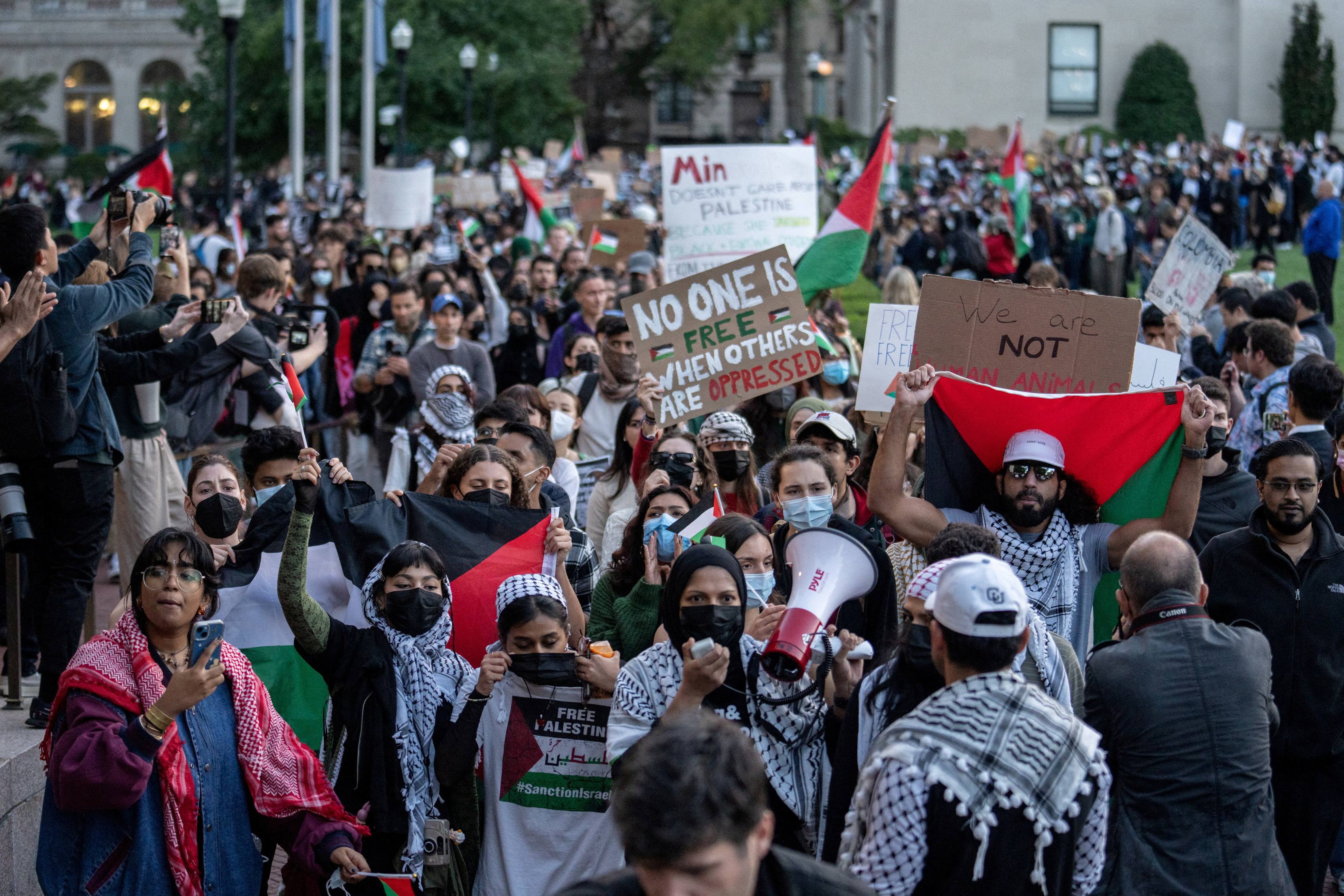
Credit: www.reuters.com
Frequently Asked Questions Of Why Are Israel And Palestine Fighting
What Ignites The Israel-palestine Conflict?
The Israel-Palestine conflict stems from disputes over land and borders, with historical and religious significance. It's fueled by opposing national movements and territorial claims, leading to continual tension and violence.
Who Are The Key Players In The Conflict?
The key players are the Israeli government and the Palestinian Authority. Hamas, a militant Palestinian group, also plays a significant role, particularly in Gaza. International stakeholders include the United States and the United Nations.
What Are The Main Disputes About?
The main disputes are about sovereignty, statehood, and the control of Jerusalem. Contentions also revolve around Israeli settlements, Palestinian refugee rights, and mutual recognition between the two peoples.
What Efforts Have Been Made For Peace?
Numerous peace efforts, including the Oslo Accords and Camp David Summit, have been made. The U. S. often mediates, although success remains elusive, with recent initiatives showing limited progress.
Conclusion
Understanding the complexities of the Israel-Palestine conflict demands attention to history, empathy for those impacted, and hope for peaceful resolutions. Though the path forward may be fraught with challenges, it's imperative that dialogue continues and solutions are sought that recognize the rights and aspirations of all parties involved.
Commitment to peace can spark change and lead towards a mutual settlement, fostering an era of coexistence and prosperity.